
Fear, Dreams, and the Supernatural
Ofrenda a la tormentaThe novel holds psychological explanations beside local supernatural belief as Amaia learns to treat fear as information without mistaking it for proof.
increasing Bearing strength in each event
 decreasing
Bearing strength in each eventdecreasingInguma’s Folklore
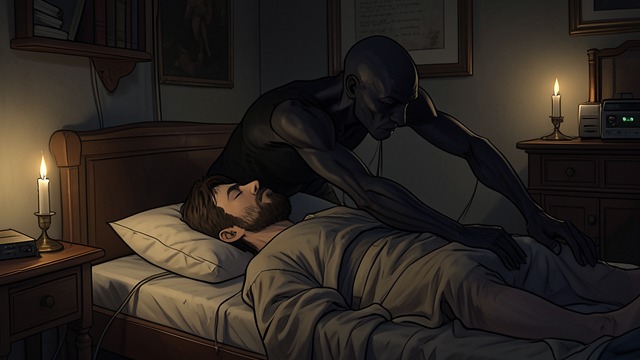
Inguma’s Folklore
A demon of sleep
In local tradition, Inguma presses on sleepers and steals their breath. Similar figures appear in accounts from other cultures, giving the infant deaths a recognizable mythic shape.
An investigative question
The stories help Amaia understand what the families fear. They cannot establish who entered a room, so she pairs cultural accounts with autopsy findings and physical evidence.
Paralysis in the Night
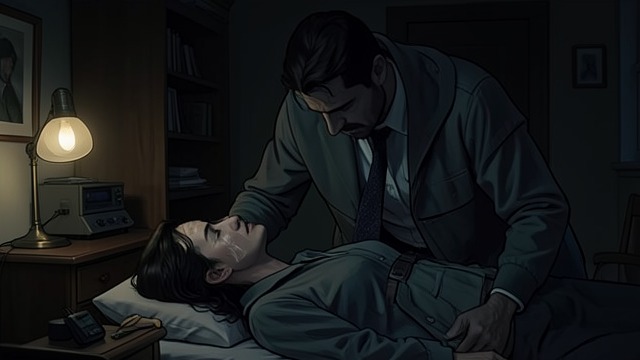
Paralysis in the Night
A vivid experience
Amaia dreams that Rosario immobilizes her and comes close enough to touch. The experience resembles sleep paralysis, where a sleeper may feel a presence and be unable to move.
Fear as embodied memory
The dream is psychologically plausible and emotionally real. Amaia’s body responds before she can reason, showing how childhood trauma can persist without proving a supernatural attack.
The Witness’s Belief
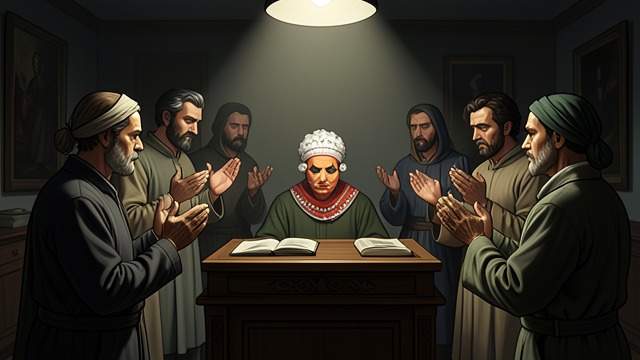
The Witness’s Belief
Faith made operational
The witness says the group believed ancient forces could be invoked through offerings. Its members interpreted apparent rewards as evidence that their rituals worked.
Belief without endorsement
Amaia understands that people can act on beliefs outsiders reject. The explanation makes the crimes intelligible as behavior while leaving the supernatural claims unverified.
The Forest Guardian
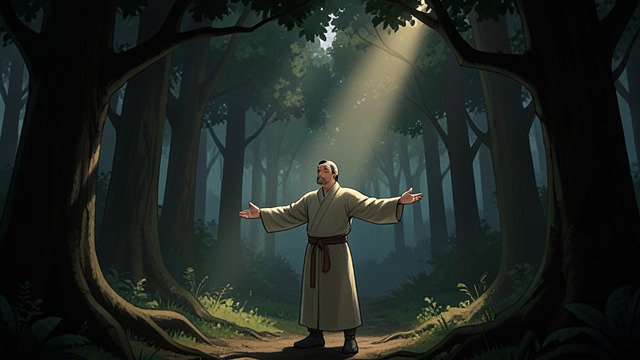
The Forest Guardian
A sense of warning
Amaia has previously encountered Basajaun and hears the traditional call to clean the river and wash the offense. These experiences accompany moments of danger and grief.
Meaning remains open
The narrative never turns the guardian into ordinary evidence. Amaia accepts that intuition and inherited belief may help her perceive a threat, while still requiring action and judgment.
A World with Consequences
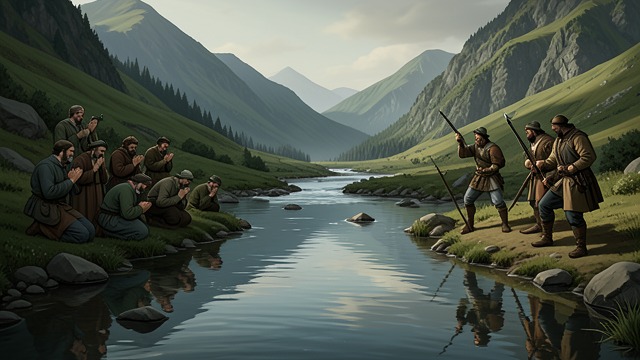
A World with Consequences
Competing explanations
Markina describes the cult as a channel for ancient forces; Amaia sees crimes and manipulation. The storm and local legends intensify the scene without settling which worldview is true.
The human responsibility
Whatever supernatural meaning the cult assigns to its acts, its members still choose to deceive, abduct, and kill. The story keeps moral responsibility grounded in human behavior.
during the first investigation interviews
after Amaia’s nightmare
after the protected witness describes the rites
after Amaia’s failure in France
during the final confrontation
